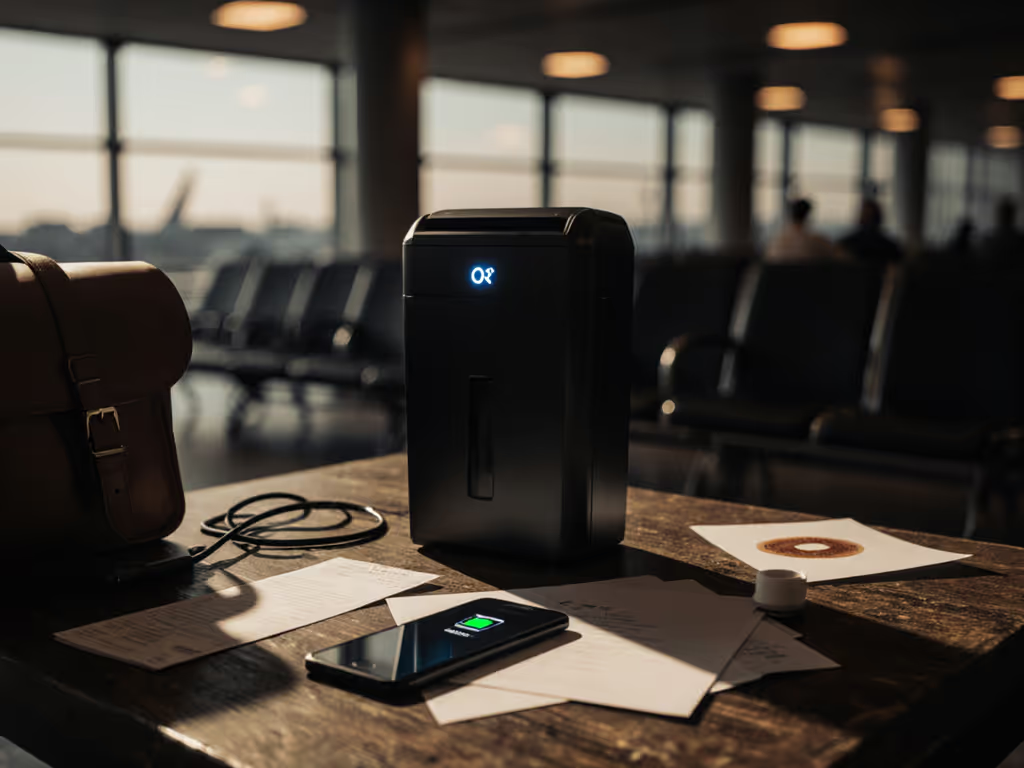
Learn to size, test, and choose a travel shredder using pages-per-charge targets, simple 20-minute tests, and power bank checks to avoid on-the-road failures.
Learn how to match document risk to DIN levels, choose truly quiet shredders, and set simple routines so home-office paper destruction stays safe and low-drama.
Learn how shredder feed orientation affects posture, jams, noise, and space, with metrics and setup tips to choose the most ergonomic fit for your workspace.
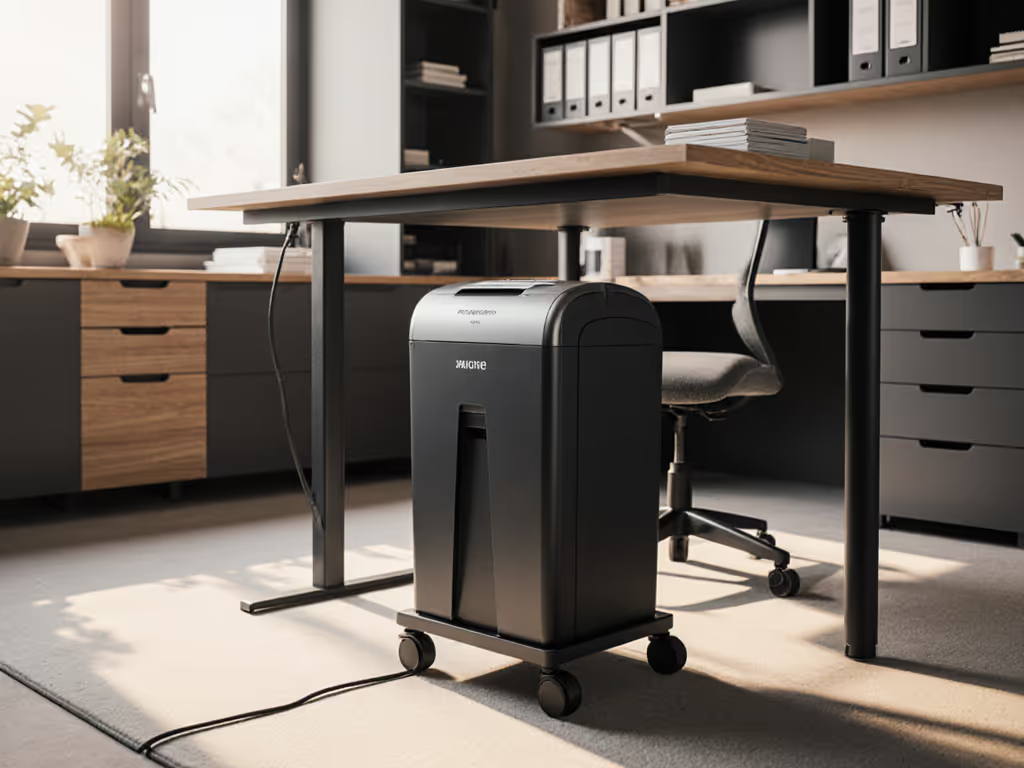
Place your shredder at waist height with clear bin visibility to cut jams and strain; follow simple layout, noise, and access tweaks for smoother shredding.
Choose a quiet, P-4 shredder matched to real estate workflows to cut TCO, avoid over/under-spec, and pass audits; see reliable picks for solo agents and teams.
Choose and maintain a P-4 thermal receipt shredder that prevents BPA transfer, with stainless blades, non-stick coatings, cleaning schedules, and noise tips.
Learn how UL, CE, and ETL certifications guide safer, quieter shredder choices for small offices - what they mean, how to verify, and what to prioritize.
Learn how to choose a PCI-DSS compliant shredder: prioritize DIN P-3+ cross-cut, sustained throughput and duty cycle, with picks for low and high volumes.
Choose a portable shredder that fits real-world risk and workflows. Learn the specs that matter and see two vetted picks for secure on-the-go document disposal.
Learn how to tune shredders for recycled paper: adjust feed, humidity, oiling, and bin habits to reduce jams and dust while maintaining security and flow.
Learn how Denver’s thin air impacts shredder cooling and runtime, and get steps to choose the right DIN level and maintenance for compliant, reliable use.
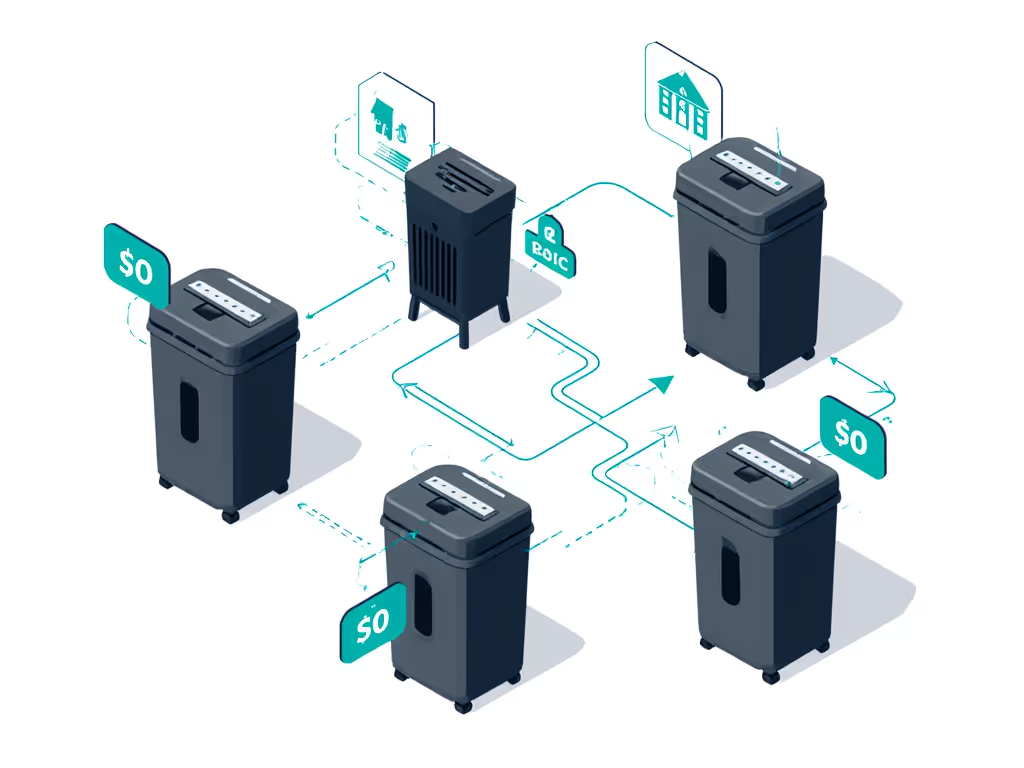
Learn to right-size SharePoint shredding: map real document flows, plug audit and deletion gaps, and choose DMS tools that verify destruction and cut TCO.